
Managed transportation services represent a strategic approach to freight management where third-party logistics providers (3PLs) take operational responsibility for planning, executing, and optimizing a shipper’s transportation program. For enterprise manufacturers and distributors shipping 50+ loads per week, managed transportation services deliver measurable cost reductions averaging 8-15% while improving on-time delivery performance and providing complete supply chain visibility.1
Unlike transactional freight brokerage or standalone transportation management system (TMS) software, managed transportation services integrate three critical components: advanced logistics technology, dedicated operational support, and continuous program optimization. This combination addresses the reality that enterprise shippers face increasingly complex supply chains requiring both sophisticated tools and experienced professionals to maximize efficiency.
The fundamental value proposition centers on transforming transportation from a tactical cost center into a strategic function that supports broader business objectives. When implemented effectively, managed transportation services provide enterprise shippers with predictable freight spend, reliable carrier capacity even during market disruptions, and actionable data insights that inform better supply chain decisions.
How Managed Transportation Services Work: The Operational Model
The Technology Foundation
Modern managed transportation services begin with cloud-based TMS platforms that centralize all freight operations into a single system. These platforms enable shippers to quote multiple carriers simultaneously, automatically tender loads based on routing guides, track shipments in real-time, and audit freight invoices for billing accuracy.
The ViewPoint TMS platform exemplifies this technological foundation by integrating directly with enterprise resource planning (ERP) systems and providing API connections to carrier networks for seamless data exchange. When a shipper’s warehouse management system (WMS) generates a shipping request, the TMS automatically rates the shipment across LTL and FTL carriers, selects the optimal mode based on cost and service requirements, and transmits pickup requests electronically—eliminating manual processes that consume staff time and introduce errors.2
According to research from MIT’s Center for Transportation & Logistics, enterprise level shipping companies implementing sophisticated TMS technology reduce transportation costs by 6-10% in the first year through better carrier selection, mode optimization, and load consolidation opportunities.3 However, technology alone cannot deliver maximum value without the second component: operational expertise.
The Human Element: Dedicated Account Management
While automation handles routine transactions, managed transportation services assign dedicated logistics professionals who understand your specific freight profile, industry requirements, and operational constraints. These account managers serve as strategic advisors rather than simply order-takers.
For example, when a pharmaceutical manufacturer experiences seasonal demand spikes requiring 40% more FTL capacity, account managers proactively secure dedicated trucks weeks in advance rather than scrambling in the spot market. When an industrial equipment distributor needs to implement new packaging standards affecting LTL freight classifications, logistics specialists calculate the impact on shipping costs before implementation.
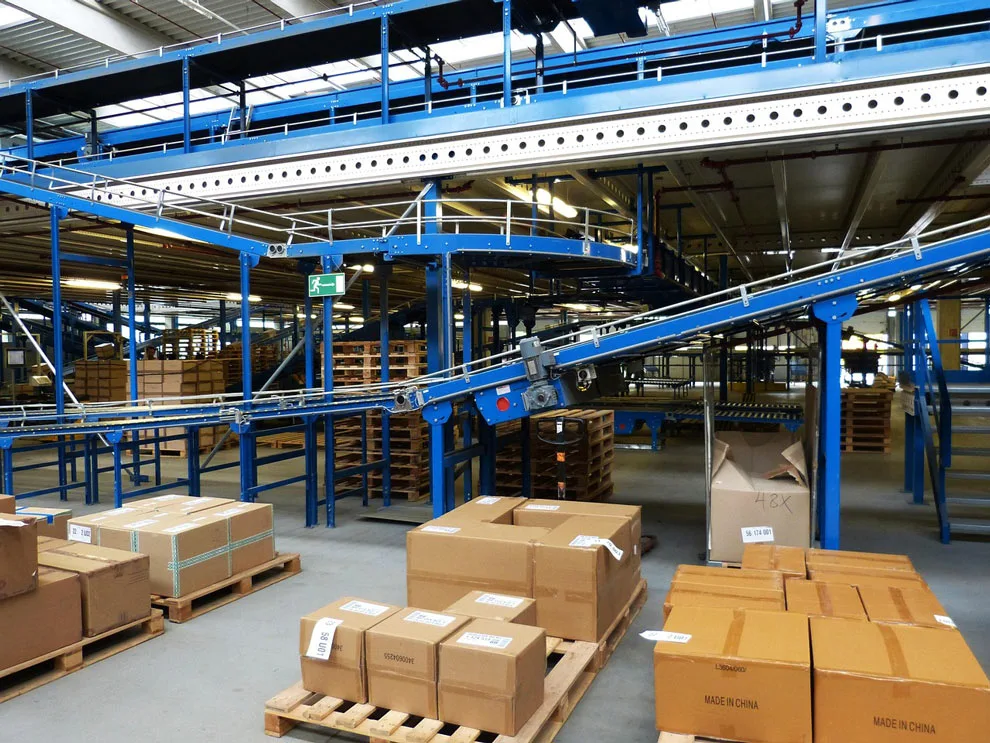
This personalized service model distinguishes managed transportation services from self-service TMS platforms where shippers must interpret data and make decisions independently. The Federal Highway Administration’s freight professional development research indicates that effective transportation management requires both analytical skills and industry knowledge that takes years to develop—expertise most shippers cannot maintain in-house cost-effectively.4
The Supply Chain Optimization Engine: Continuous Process Improvement
The third component involves systematic analysis of transportation data to identify cost reduction and service improvement opportunities. Managed transportation service providers conduct quarterly business reviews examining key performance indicators (KPIs) including:
- Cost per mile and cost per pound trends by lane and carrier
- Tender acceptance rates revealing which carriers honor commitments
- On-time pickup and delivery percentages measuring service reliability
- Accessorial charge frequency identifying unexpected fee patterns
- Invoice accuracy rates quantifying billing errors caught through audit
- Shipment consolidation opportunities where multiple orders could combine
This continuous optimization process creates compounding value over time. Initial implementations typically focus on carrier rate negotiations and routing guide optimization. Subsequent phases address load consolidation strategies, inbound freight routing programs for vendor shipments, and modal conversion opportunities where shipments currently moving via air or LTL could shift to more economical modes.
Footnotes:
- Federal Highway Administration, “Freight Professional Capacity Building Program – Freight Education and Training,” accessed February 4, 2026, https://ops.fhwa.dot.gov/freight/fpcb/education.aspx. ↩︎
- Federal Highway Administration, Catalog of Transportation Education, Training, and Workforce Development Programs and Resources (Washington, DC: U.S. Department of Transportation, August 2010), https://www.fhwa.dot.gov/transprogcat/. ↩︎
- MIT Center for Transportation & Logistics, https://ctl.mit.edu/ ↩︎
- Federal Highway Administration, “Strategic Workforce Development,” Office of Innovative Program Delivery, accessed February 4, 2026, https://www.fhwa.dot.gov/innovativeprograms/centers/workforce_dev/. ↩︎