Learn and discover more in various topics of the logistics industry.
Transportation Update
Transportation Update covers the most important changes affecting freight markets, carrier operations, and transportation regulation. It focuses on real-world updates that impact shippers, including compliance rules, capacity shifts, and policy changes across the U.S. freight system.
You will find analysis of legislation like the CORCA Act, NMFTA™ proposals, and other regulatory actions that shape freight classification, safety requirements, and carrier operations. These updates help shippers understand what is changing and why it matters for their transportation strategy.
TLI uses this category to break down complex regulatory changes into practical impacts. The goal is to help shippers anticipate cost changes, avoid disruption, and adapt their carrier networks when regulations shift.
This category also connects policy changes to real transportation outcomes, including pricing pressure, capacity availability, and service reliability across LTL, Truckload, and multimodal shipping.
Explore these Transportation Update resources to stay informed on freight regulations, understand FMCSA and DOT changes, and prepare for shifts in carrier capacity and compliance requirements.
Spot rates hit all-time highs, 40K+ drivers removed from service, and capacity is tightening fast. Here's what's driving 2026 freight pricing higher and how shippers can respond.
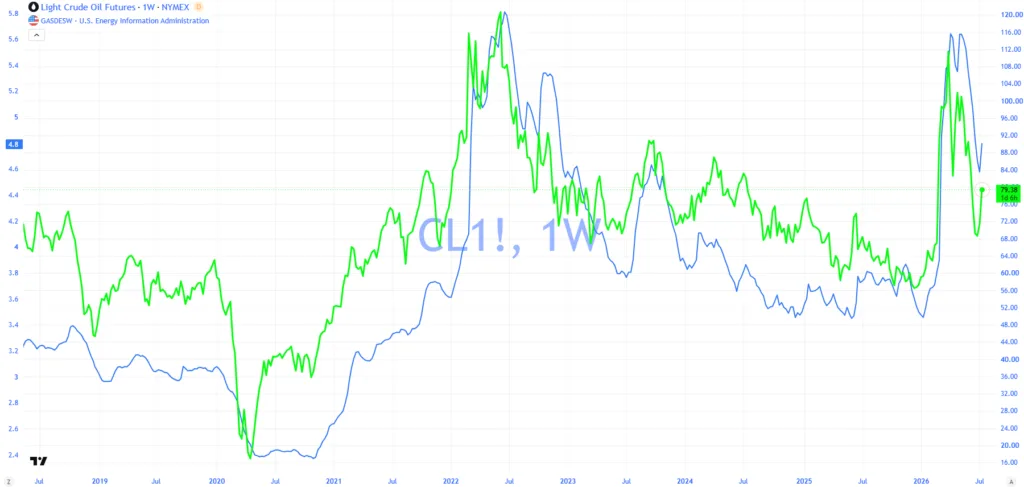
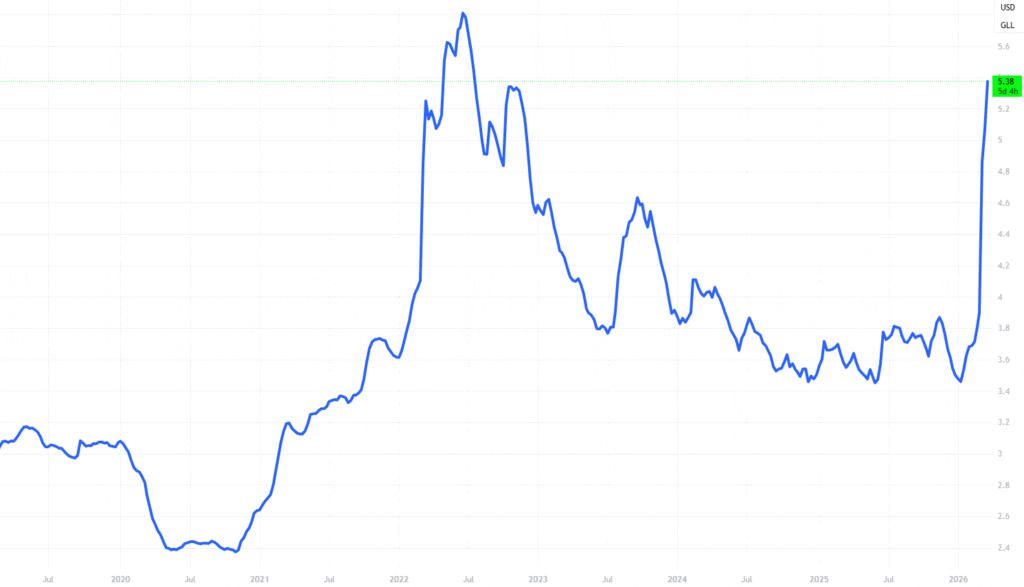
Published carrier fuel surcharges are now running between 44% and 51% of your base freight rate. TLI customers are seeing more competitive FSC pricing, because we negotiated it that way.
Proposed amendments to Item 640 and Item 680 would fundamentally change how carriers rate mixed-commodity LTL shipments and what shippers must do to stay compliant.