
What is a TMS system?
A transportation management system is software that automates and optimizes freight processes, ranging from quoting and booking to carrier selection, tracking, reporting, and analytics. It replaces manual spreadsheets and fragmented tools, allowing logistics teams to operate from one portal. When integrated with ERP systems or business intelligence dashboards such as Microsoft Power BI, a TMS also enables enterprise level reporting and predictive insights.
A strong TMS should improve service levels and lower costs by supporting smarter data-driven decisions through data visibility and process automation.
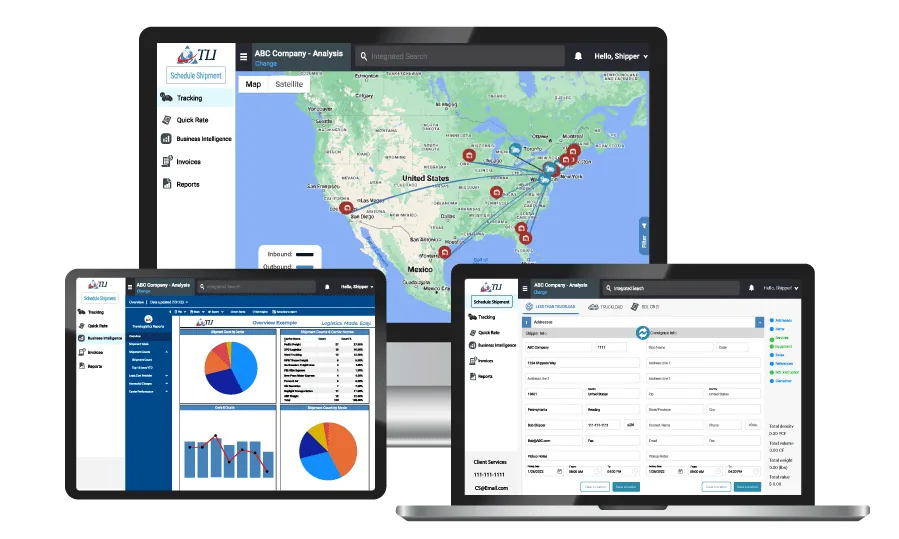
ViewPoint TMS at a Glance
Traditionally, getting freight quotes meant contacting carriers manually or relying on separate rate boards. ViewPoint TMS changes that by providing instant rate comparisons regardless of carrier type. It pulls multiple carrier rate feeds and simplifies the booking process so that shippers can compare costs and transit times with a single login.
ViewPoint TMS was built specifically for shippers who need more than a static routing guide. It provides real-time rate comparisons, multi-modal quoting, shipment visibility, and automated tendering of freight across LTL, truckload, parcel, expedited, and intermodal channels. Because it integrates with carrier systems through EDI and API connections, the system updates tracking data without manual input. Because the platform supports auto-tendering, shippers can book freight without repetitive emails or phone calls. After booking, the system generates shipping documents automatically and archives them for future retrieval.
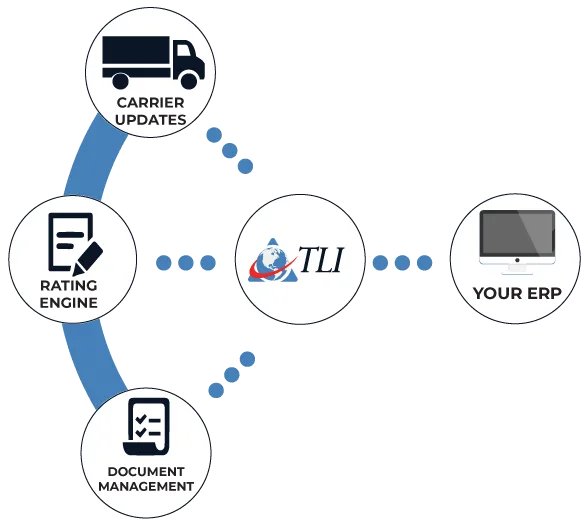
This automation saves time and reduces operational errors. Key transportation management platform capabilities include:
• Real-time quoting, booking, and tendering across modes
• Integrated carrier tracking and automated updates
• Vendor portal for inbound routing compliance
• Freight invoice audit and consolidated billing
• Claims management with expert support
• Reporting and analytics for performance measurement
• ERP integration for seamless workflows
Each of these capabilities works together to reduce complexity, improve service, and control freight spend.
Inbound Vendor Routing Guide Control
Managing inbound freight often involves manual communication, inconsistent carrier choices, and unpredictable costs. ViewPoint TMS tackles this with a vendor portal that allows suppliers to route freight according to your specific program rules. Vendors receive login access and can schedule shipments while the system enforces routing compliance based on your carrier preferences.
ViewPoint TMS allows shippers to create and enforce inbound vendor routing guides that standardize how freight enters the supply chain. Shipment visibility is a core requirement for efficient logistics operations. Tracking data flowing directly from carriers into this TMS portal helps logistics teams monitor every shipment in real time, including inbound freight. By integrating through EDI and APIs, ViewPoint eliminates the need for manual status checks, calling your vendors constantly and it provides immediate alerts for exceptions.

- Improves customer communication and reduces inbound inquiries
- Helps operations teams resolve exceptions sooner
- Enhances planning accuracy for inventory forecasting
- Standardized inbound carrier selection
- Reduced vendor non-compliance
- Greater visibility into inbound costs
- Automated reporting on vendor performance
Freight Invoice Audit and Spend Accuracy
Freight invoicing often contains errors such as incorrect classifications, accessorial charges, or reweigh adjustments. An audit process that validates bills against contracted rates ensures you only pay what you should. ViewPoint’s freight invoice audit examines every charge and flags discrepancies automatically.
Insight without data is just opinion. ViewPoint TMS includes reporting that helps shippers understand patterns across spend, carriers, and service levels. When connected with analytics tools like Microsoft Power BI, these reports become executive-ready dashboards. This data has already been audited so it can actually be used for forecasting, planning and budgeting. Likewise we can automate GL Coding, and assigning cost center codes uniquely to each shipment.
Shippers can track:
• Carrier performance metrics
• Cost trends across modes and lanes
• Exception frequencies and root causes
• Vendor compliance statistics and recover funds more easy.
Claims Management With Expert Support
Freight claims can be time consuming and stressful. Lost, damaged, or misrouted freight requires documentation, carrier follow up, and negotiation. ViewPoint integrates claim initiation into the TMS so shipments with issues are documented at scale and routed to TLI’s claims specialists.
This cargo claim process will ensure consistency when a motor carrier damages or loses your freight. Simply log into ViewPoint and submit the freight claim request and TLI can offer our managed transportation services from there. We will recover the signed POD, archived within the TMS, and we can initiate that freight claim with the carrier that we booked the load with.
Custom Transportation RFP Support for Large Spend Programs
Running a transportation RFP is one of the most effective ways for shippers to control freight costs, secure reliable service, and benchmark carriers. A well-designed RFP defines lanes, shipment volumes, service requirements, and technology needs, creating a fair and competitive process that uncovers cost savings while balancing performance and reliability. However, managing an RFP internally can be complex, time-consuming, and prone to errors,especially if shipment data isn’t fully analyzed or organized.
When annual transportation spend exceeds roughly $125000, custom RFP management becomes a strategic advantage. TLI’s RFP services leverage your shipping data, lane performance, and carrier benchmarking to run targeted solicitations. This RFP approach combines rate discovery with performance criteria to ensure you find the best partners for your network.
RFP support includes:
• Data preparation and lane analysis
• Carrier selection and benchmarking
• Scenario modeling and award strategy
• Contract execution support
This level of support takes freight procurement beyond cost negotiation and toward program optimization. TLI helps shippers turn their shipment data into actionable insights by designing and launching transportation RFPs that generate real results. From reviewing historical shipments to inviting qualified carriers, analyzing bids, and recommending awards, TLI handles every step of the process. By delegating your RFP to experts, shippers save time, reduce risk, and achieve data-driven cost savings and improved service, ensuring their freight strategy is both efficient and scalable.
Frequently Asked Questions About Transportation Management Systems:
What is a Transportation Management System (TMS)?
A TMS is software that automates freight planning, execution, tracking, billing, and analytics so logistics teams can make informed decisions efficiently.
How does ViewPoint TMS reduce freight costs?
ViewPoint reduces costs through multi-carrier rate comparisons, optimized carrier selections, dynamic routing, invoice audit, and proactive performance reporting.
Can ViewPoint integrate with my ERP system?
Yes. ViewPoint supports ERP integration through industry-standard APIs, enabling seamless data flow between systems without manual reentry.
Does ViewPoint support inbound vendor routing?
Yes. The vendor portal allows suppliers to route freight in compliance with your program rules and improves visibility into inbound freight activities.
Is freight claims management included?
Yes. ViewPoint integrates claims initiation and documentation, and TLI’s specialists support recovery workflows.
Do you offer custom RFP management?
Yes. For larger freight spend programs, TLI offers tailored RFP services using your shipment data to benchmark carriers and optimize contract outcomes.
Can I upload my own motor carrier contracts?
Yes. TLI reviews historical shipment data and conducts RFPs across a variety of contract types. We work with shippers who use their own contracts when appropriate, while also offering our RFP services to ensure the most effective agreements are in place for their supply chain. To learn more about the different types of carrier contracts, watch this video:
