
3PL Returns Management: Simplifying Reverse Logistics for B2B Operations
Managing product returns in the B2B world is complex. Companies often face tight delivery schedules, freight documentation issues, and the challenge of efficiently handling inbound returns. That’s where 3PL returns management comes in. By outsourcing reverse logistics to an experienced third-party logistics (3PL) provider, businesses can streamline their freight management process, reduce costs, and maintain strong customer relationships.
Why B2B Companies Outsource Returns Management
In B2B logistics, every shipment counts. When returns happen, whether due to damaged goods, quality control issues, or order discrepancies, a 3PL provider helps manage the process smoothly. These experts handle freight routing, carrier communication, and claims management, ensuring shipments move efficiently both ways.
By using advanced transportation management systems (TMS) and freight management solutions, 3PLs optimize every return. This reduces manual effort, improves tracking visibility, and allows your internal team to focus on production, sales, or client relations rather than paperwork.
Managed Transportation ServicesKey Benefits of Partnering with a 3PL for Reverse Logistics
When you partner with a 3PL for returns management, you gain more than just transportation support. You gain a strategic advantage. Here is how:
- Streamlined Carrier Coordination: 3PLs handle communication and tendering between shippers and carriers.
- Automated Billing and Auditing: Freight management systems identify cost discrepancies and automate claims recovery.
- Improved Data Visibility: A TMS freight platform offers real-time tracking, reporting, and analytics to monitor return performance.
- Optimized Routing: Providers use technology to determine the most efficient and cost-effective transportation routes.
- Scalability: As your B2B operations grow, your logistics partner scales resources and systems alongside your needs.
How a TMS Enhances B2B Reverse Logistics
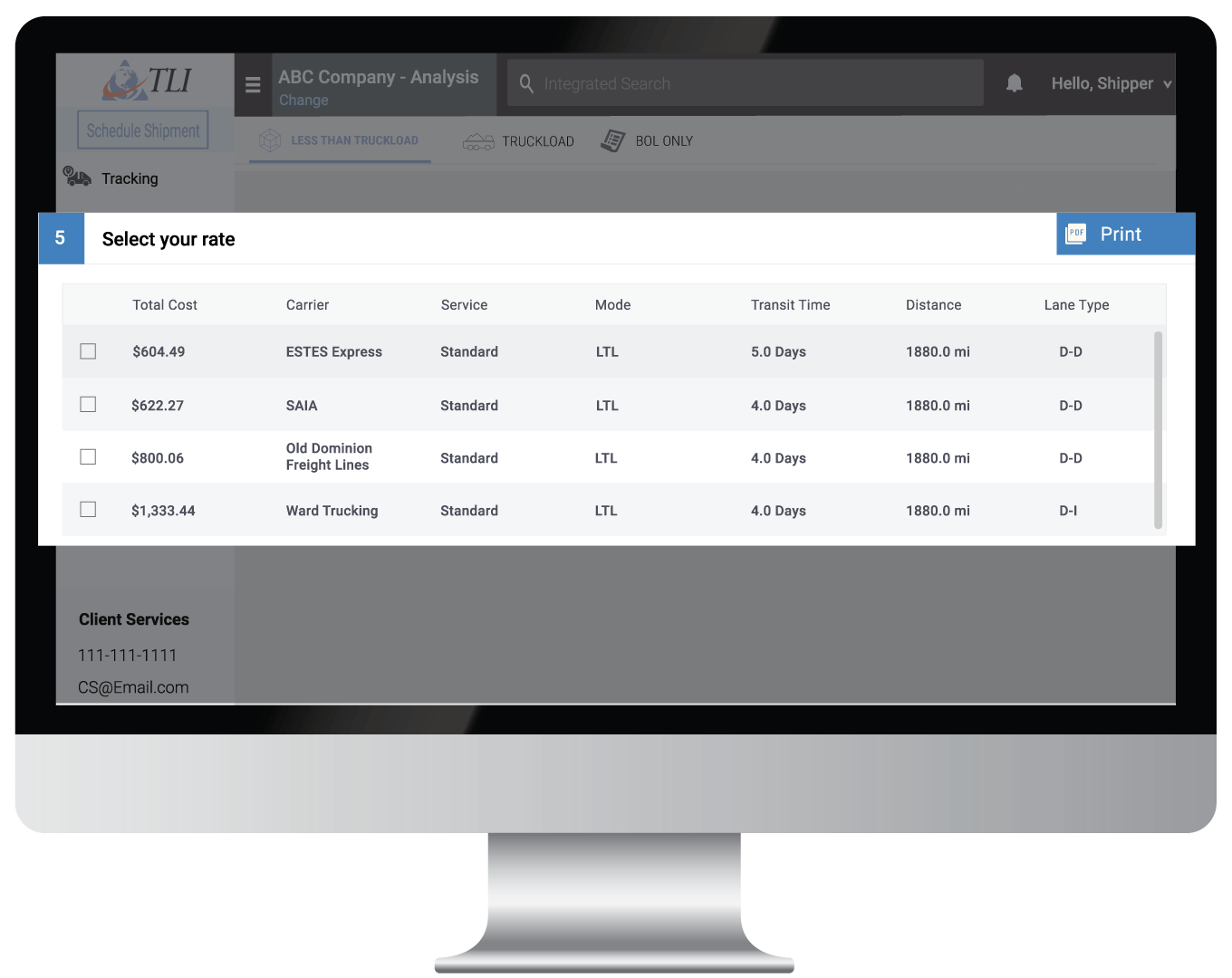
A transportation management system (TMS) plays a central role in 3PL returns management. It connects every step—from pickup scheduling and freight routing to invoice auditing and performance reporting.
With a TMS in place, businesses gain full visibility into return shipments, can track performance trends, and receive actionable insights. This data-driven approach helps reduce freight spend, prevent errors, and improve accountability across the supply chain.
Reducing Costs and Risks with Managed Returns
A skilled 3PL doesn’t just move freight—they protect your business from avoidable costs and risks. Through managed transportation services, 3PLs audit freight invoices, vet carriers, and manage claims on your behalf. This oversight prevents double brokering, ensures compliance, and helps your team make smarter logistics decisions.
As a result, you gain peace of mind knowing your returns are handled by experts who combine technology with hands-on industry experience.
FAQ: 3PL Returns Management for B2B Operations
3PL returns management in B2B logistics refers to outsourcing the reverse logistics process to a third-party logistics provider. The 3PL coordinates carrier management, freight tracking, and shipment auditing through a transportation management system (TMS) to ensure returned goods move efficiently back through the supply chain.
A 3PL improves B2B reverse logistics by using technology and industry expertise to manage freight returns from start to finish. They streamline carrier communication, automate billing, and provide detailed visibility into shipment performance. This reduces delays, minimizes costs, and helps businesses make data-driven logistics decisions.
Outsourcing B2B returns to a 3PL allows companies to save time and money while improving accuracy and customer satisfaction. 3PL providers use freight management systems to optimize routing, reduce freight spend, and deliver real-time reporting on return shipments. This level of control supports scalability and operational efficiency.
A TMS supports returns management by centralizing shipment data, automating carrier selection, and providing visibility into every return. Businesses can track freight movement, analyze performance, and simplify claims or disputes—all through one platform designed for end-to-end transportation management.
Not exactly. Managed transportation covers all aspects of freight movement, including outbound and inbound shipments, while returns management focuses specifically on reverse logistics. However, both rely on the same freight management tools and processes to create a seamless logistics strategy.