
Discover how in trucking flatbed serves as a versatile and popular option for shippers, and learn why partnering with TLI for your flatbed needs ensures reliable and efficient service.
What is Trucking?
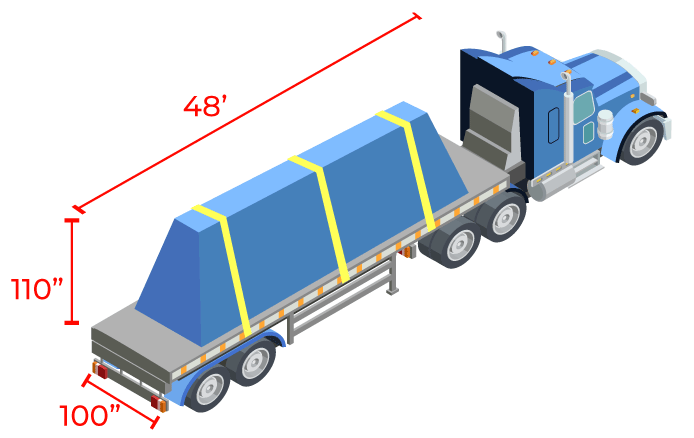
Trucking refers to the transportation of goods by motor vehicles, primarily using trucks. This essential aspect of the logistics industry enables the movement of various products across distances, from local deliveries to cross-country shipments. Among the different types of trucking equipment available, flatbed trailers stand out for their versatility and ability to handle a wide range of freight. Another important benefit is that flatbeds are perfect for oversized and heavy loads.
The Benefits of Trucking Flatbed
Shippers often choose trucking flatbed for its unique advantages. Unlike enclosed trailers, flatbeds have no sides or roof, which allows for easy loading and unloading of cargo from any angle. This flexibility makes flatbed trailers ideal for transporting large construction materials, machinery, and other irregularly shaped goods. Also, the open design also facilitates the transport of overlength freight, making it a popular choice among shippers with specialized needs.
When Should You Use Flatbed Instead of Other Trailer Types?
While flatbed transportation is highly versatile, it is not always the right solution for every shipment. Choosing the correct equipment can improve service reliability while preventing unnecessary transportation costs.
Flatbed shipping is typically a strong fit when freight:
- Exceeds standard dimensions or weight limitations
- Requires open deck accessibility during loading or unloading
- Includes construction, industrial, manufacturing, or project cargo
- Cannot fit through standard trailer doors
- Requires loading from the side, top, or crane access
- Construction site/project location
Examples of freight commonly moved on flatbeds include steel, lumber, machinery, building materials, generators, industrial components, piping, and large fabricated products.
However, if cargo requires temperature control, theft protection, or full weather protection, enclosed equipment such as dry vans or temperature controlled trailers may be a better fit.
Partnering with TLI for Flatbed Solutions
At TLI, we have established ourselves as a trusted partner for shippers seeking flatbed transportation. Our extensive experience in managing flatbed freight equips us with the knowledge to navigate the unique requirements involved in loading and securing various types of cargo. Our well-maintained network of flatbed carriers ensures that shipments arrive on time and in excellent condition, giving our clients peace of mind.
Flatbed trucking is one of our most popular FTL (Full Truckload) equipment types, and we take pride in delivering tailored solutions to meet our clients’ logistics needs. So we understand the importance of clear communication, so we encourage shippers to share their specific requirements with us upfront. Whether you need drivers with TWIC cards for secure access to ports or require loads to be tarped for weather protection, we can accommodate those requests effectively.
Flatbed Trucking Seasonality & Special Considerations
While flatbed trucking offers many benefits, shippers should also be aware of seasonal fluctuations that can affect availability and pricing. And certain times of the year may see increased demand for flatbed capacity, especially during construction season. To ensure you secure the best rates and availability, planning ahead is crucial.
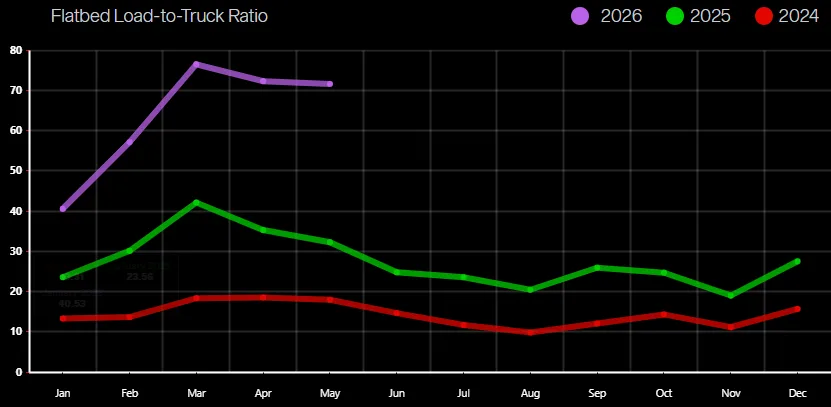
So what impacts flatbed freight pricing?
Flatbed pricing involves more than mileage. Several factors can influence rates:
- Freight dimensions and weight
- Specialized equipment requirements
- Construction and industrial activity
- Tarping requirements
- Permits and escorts for oversized freight
- Loading and unloading complexity and wait times
- Market capacity conditions
Planning shipments further in advance often creates more sourcing flexibility and better pricing opportunities.
Understanding Flatbed Equipment Shipping Options
Many shippers are surprised to learn that “flatbed” is not a single trailer type. Selecting the proper trailer can significantly impact cost, transit time, and loading efficiency.
- Standard Flatbed: The most common option for freight that can be loaded from above or either side. Ideal for palletized industrial freight, steel, and building materials.
- Step Deck (Drop Deck): Designed with a lower deck height to accommodate taller cargo while remaining compliant with roadway height restrictions.
- Double Drop: Used for exceptionally tall freight that requires additional deck clearance.
- Conestoga Trailer: Provides the flexibility of a flatbed with the added benefit of retractable weather protection via canvased trailer walls.
- Lowboy and Specialized Heavy Haul Equipment: Used for oversized machinery and freight requiring specialized permitting.
TLI is currently sourcing capacity for all the flatbed equipment types you need. For those with overlength freight, TLI can assist with sourcing the necessary permits to ensure compliant transport. With that said, it’s important to communicate these needs early in the process so we can make the appropriate arrangements.
Before Load Tendering:
Before tendering a shipment, shippers should confirm:
- Exact dimensions, including overhang
- Appointment restrictions or site access requirements
- Whether tarping is required
- Whether hard hat, safety glasses, and steel toed boots are required
- Securement requirements such as straps, chains, edge protectors, or blocking
- Loading equipment availability at origin and destination
Trucking flatbed serves as a versatile and reliable solution for transporting a wide array of cargo. By partnering with TLI for your flatbed needs, you gain access to a wealth of expertise, a reliable carrier network, and a commitment to meeting your specific requirements. With a focus on clear communication and tailored solutions, TLI is your trusted partner in navigating the flatbed trucking market. So, if you’re ready to optimize your logistics, contact TLI today to discuss your flatbed shipping needs.